Upload Documents to Azure Blob Storage Dynamics 365
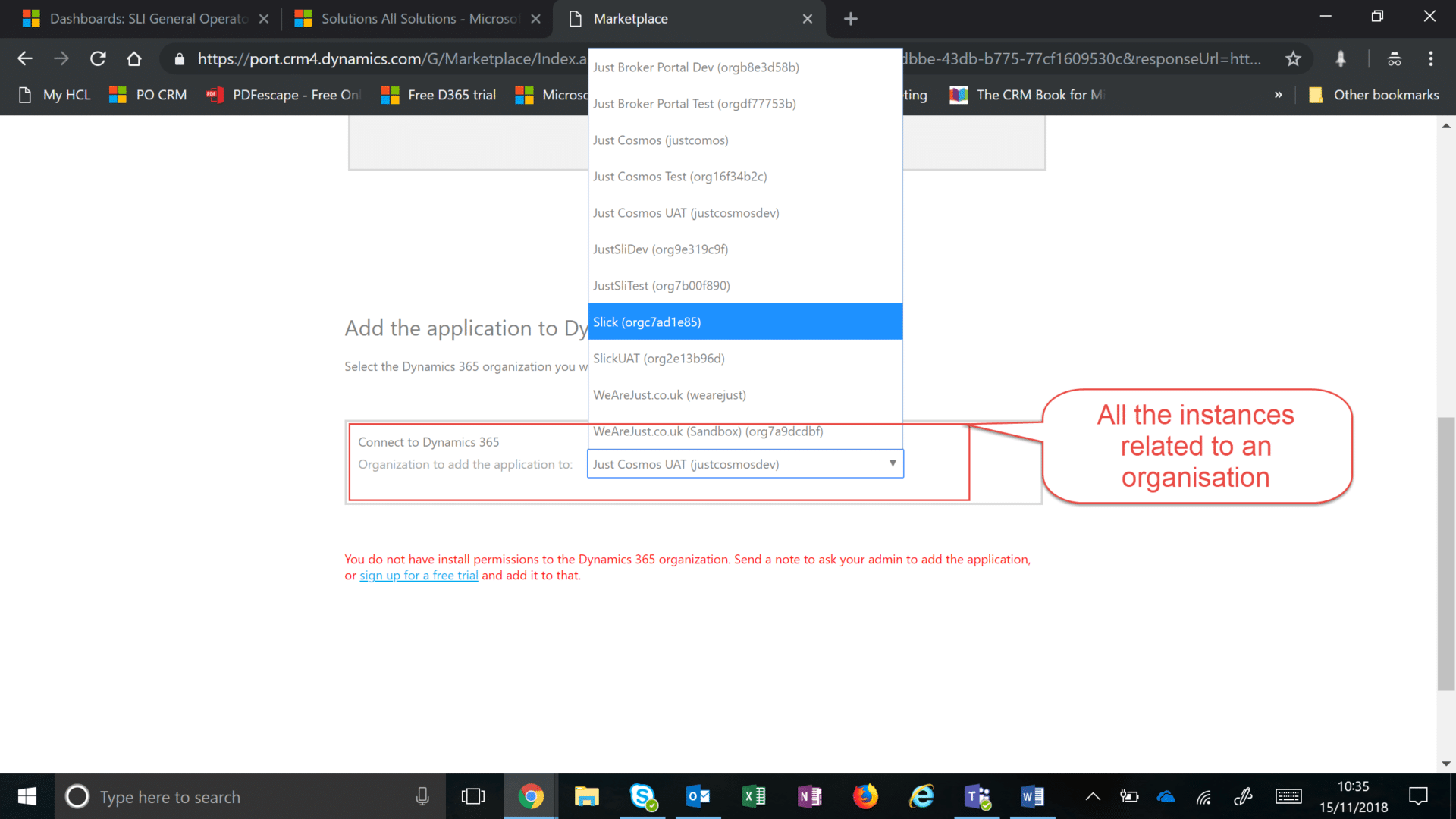
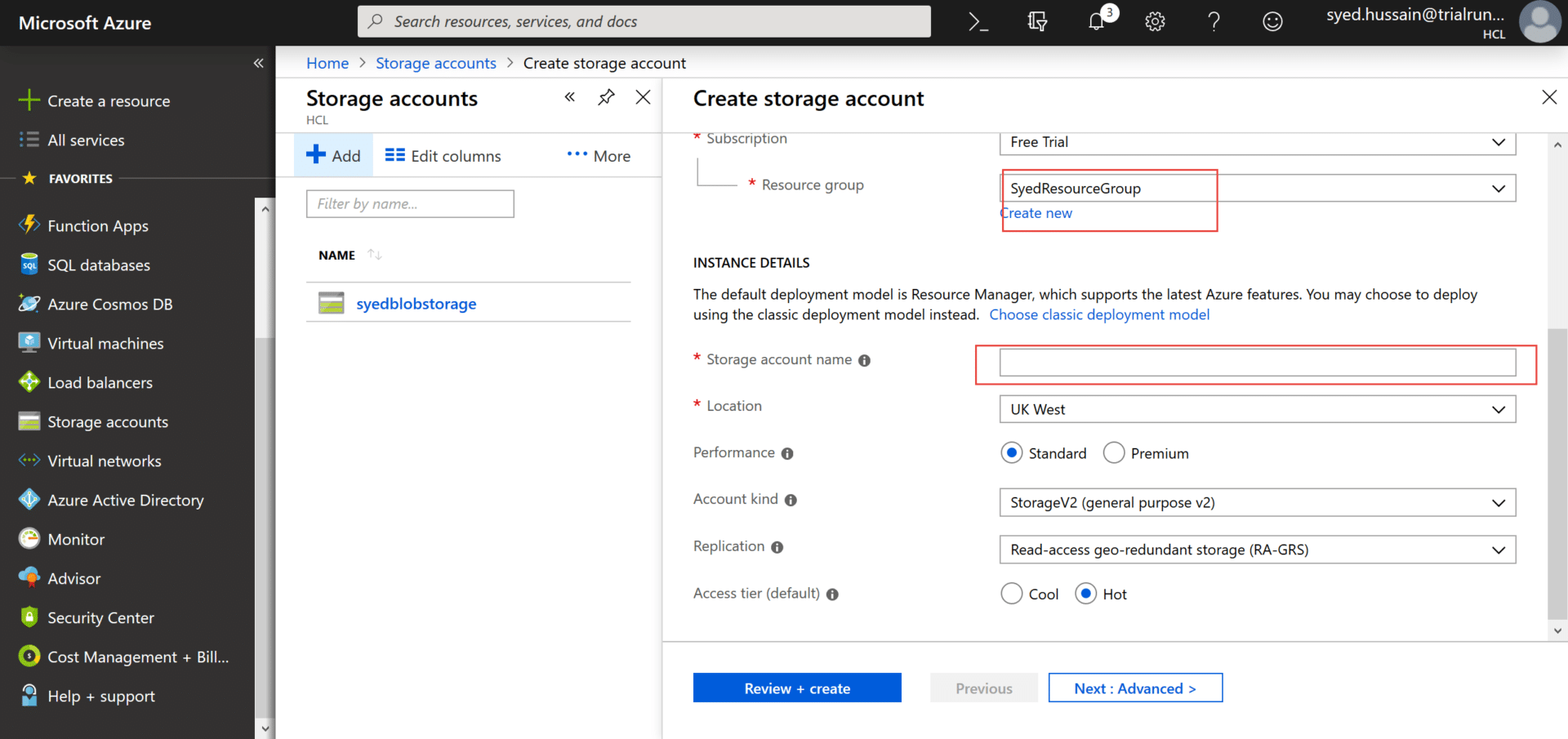
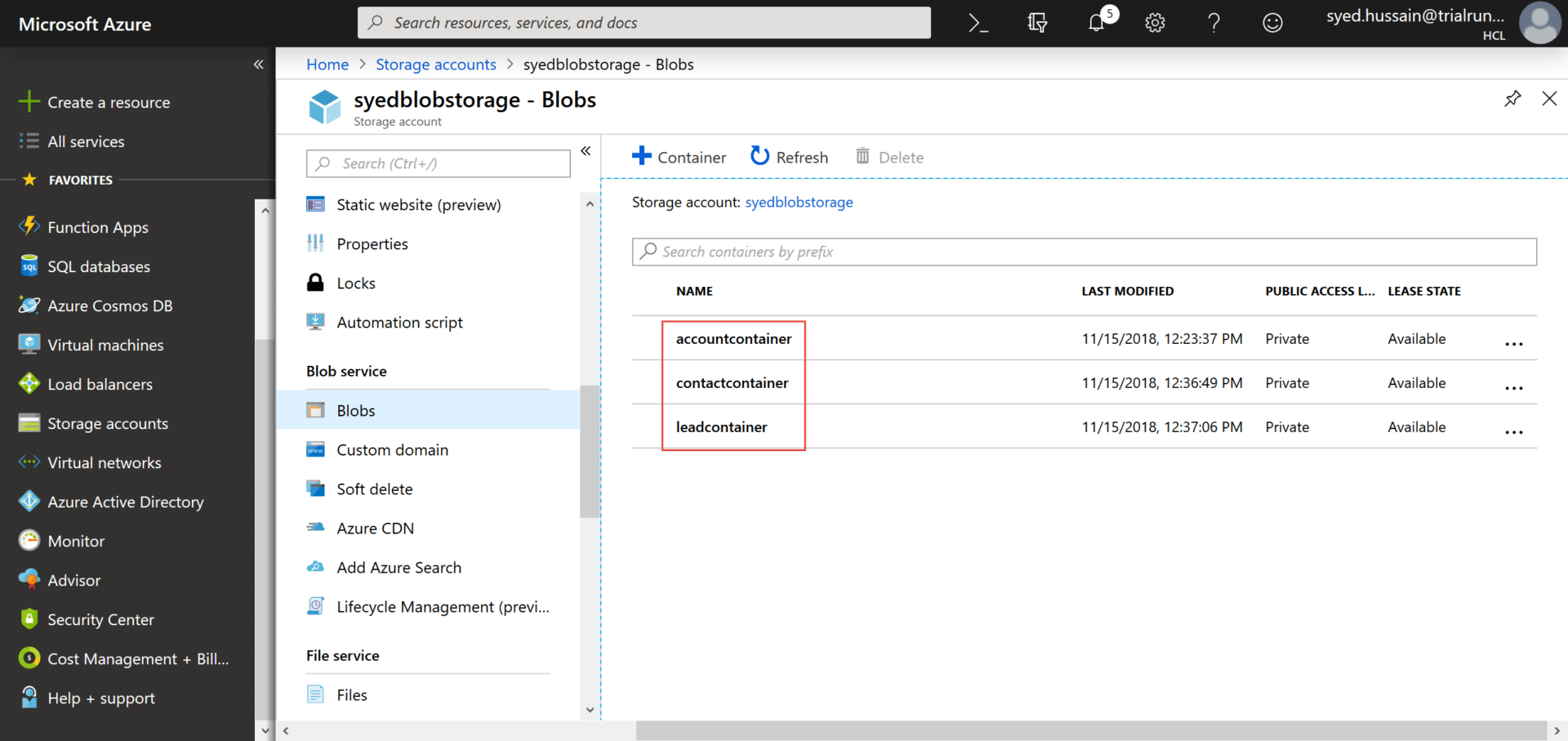
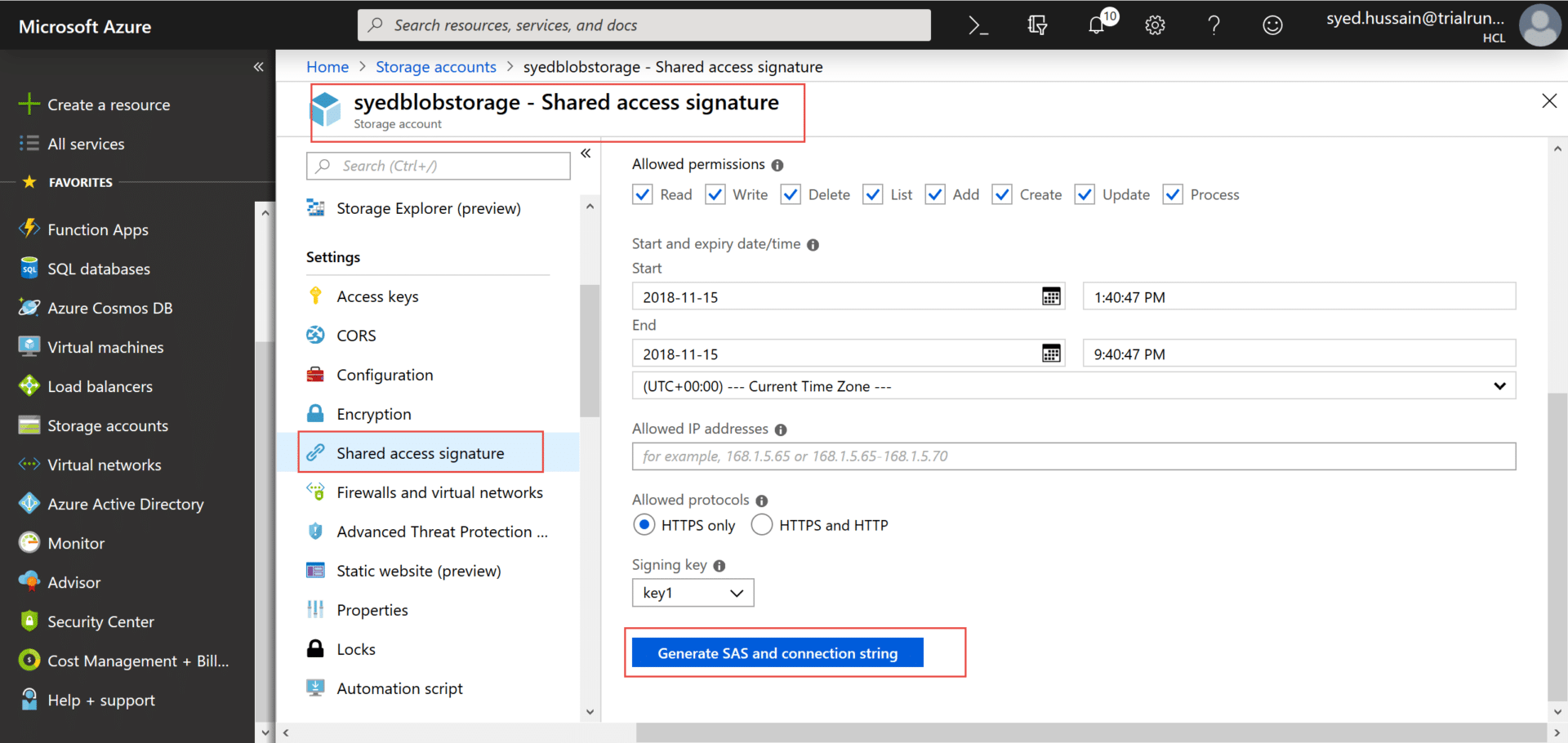
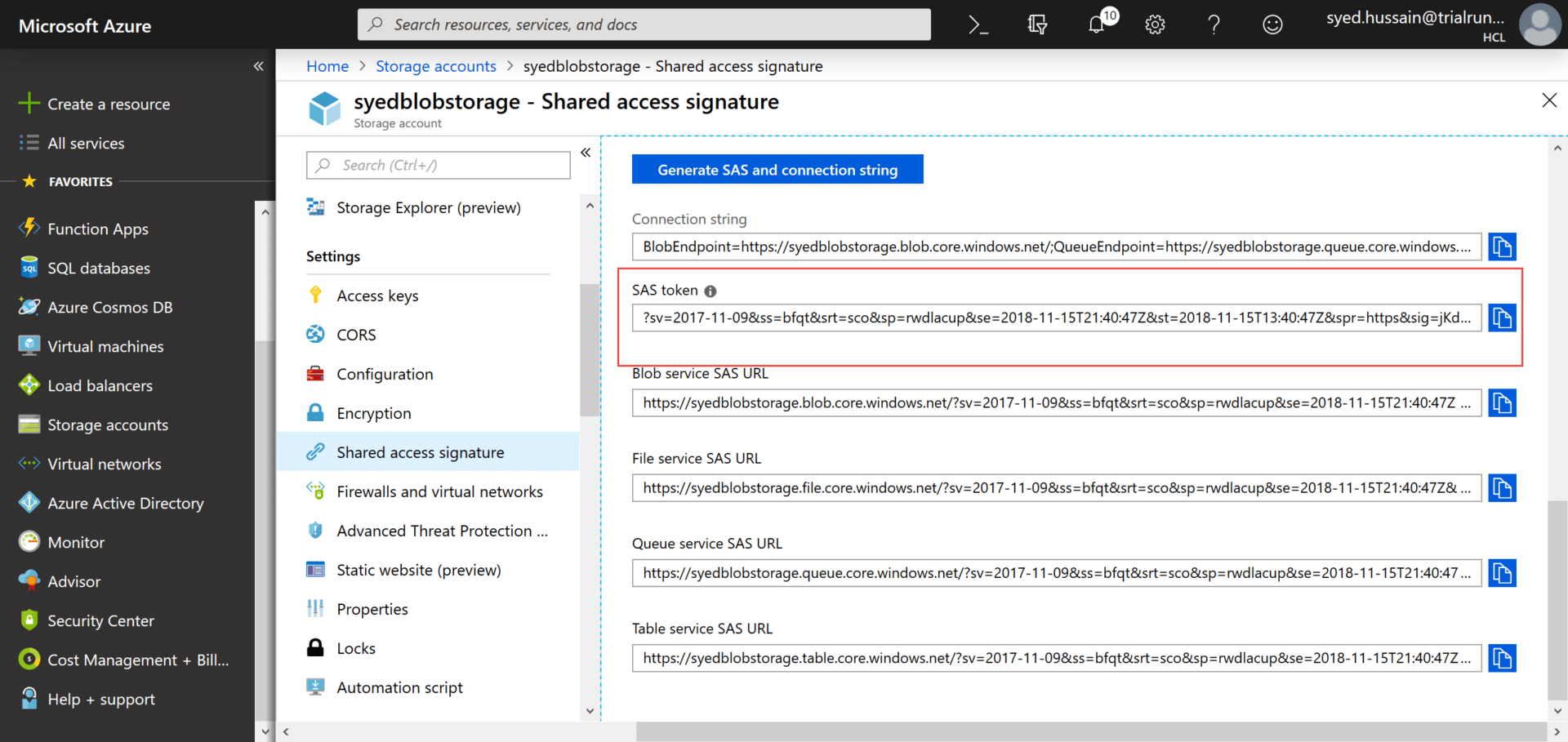
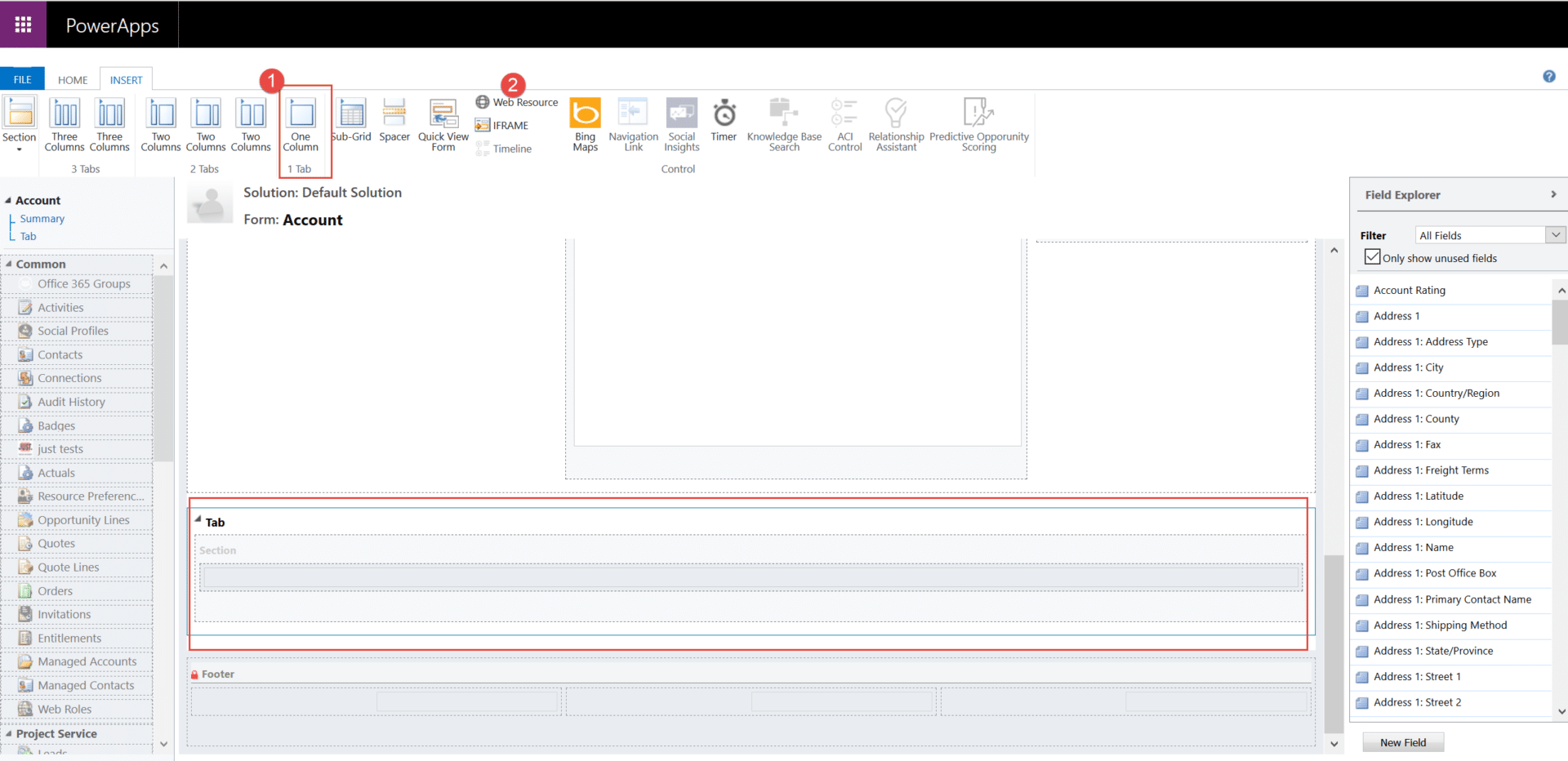
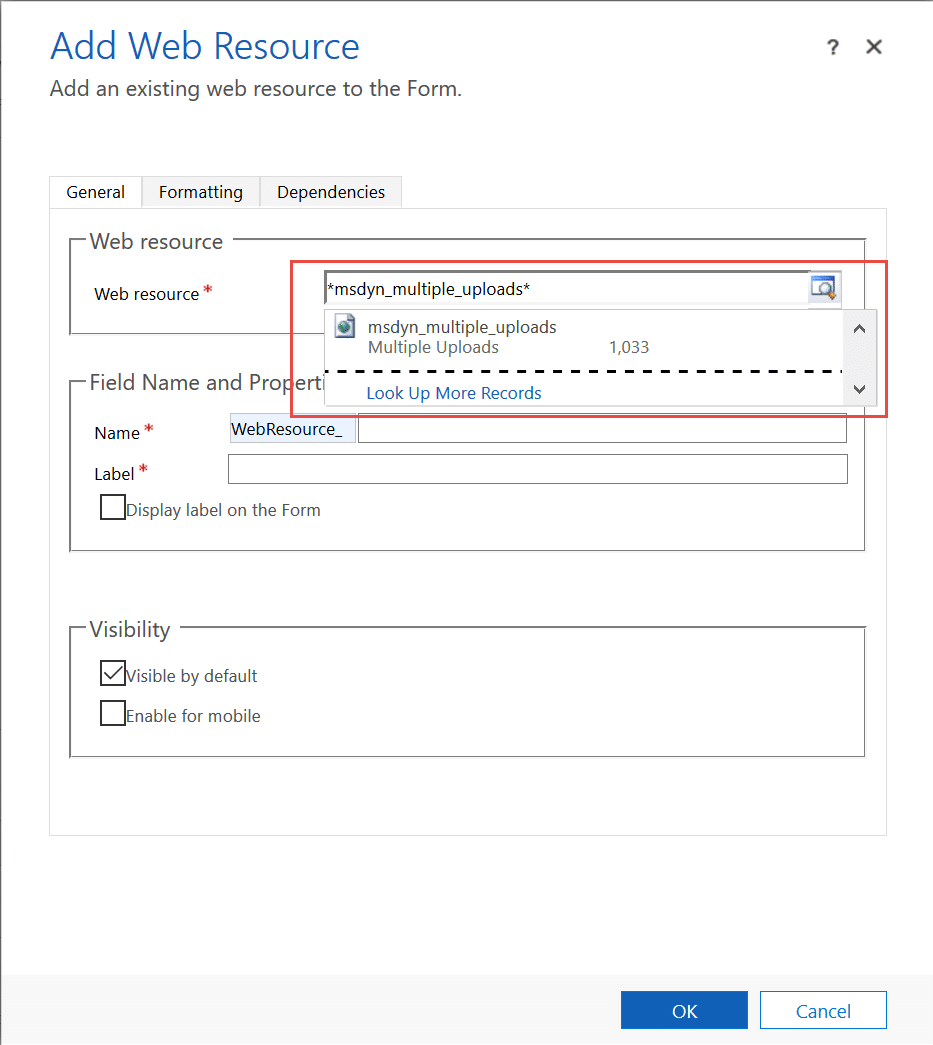
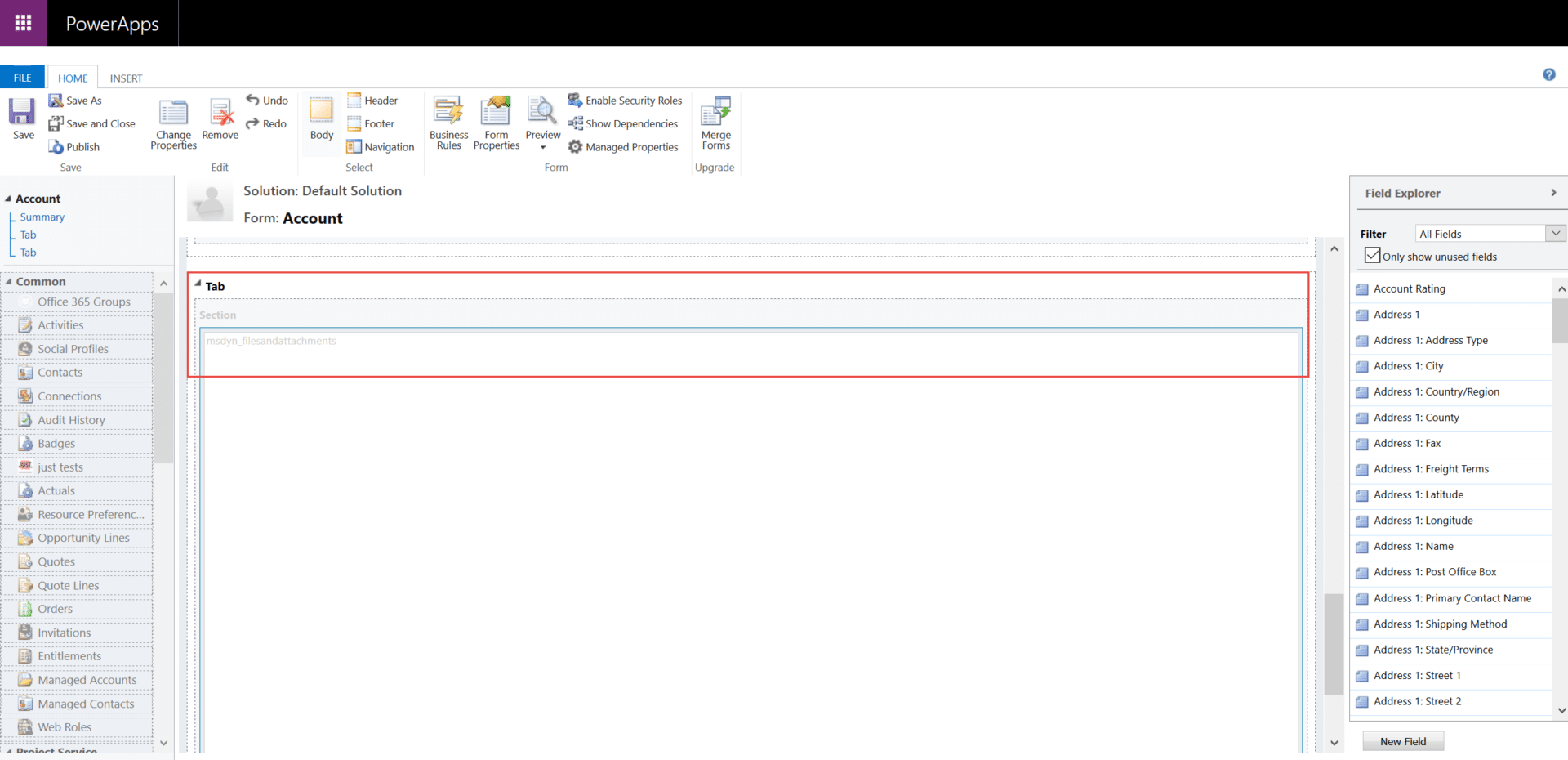
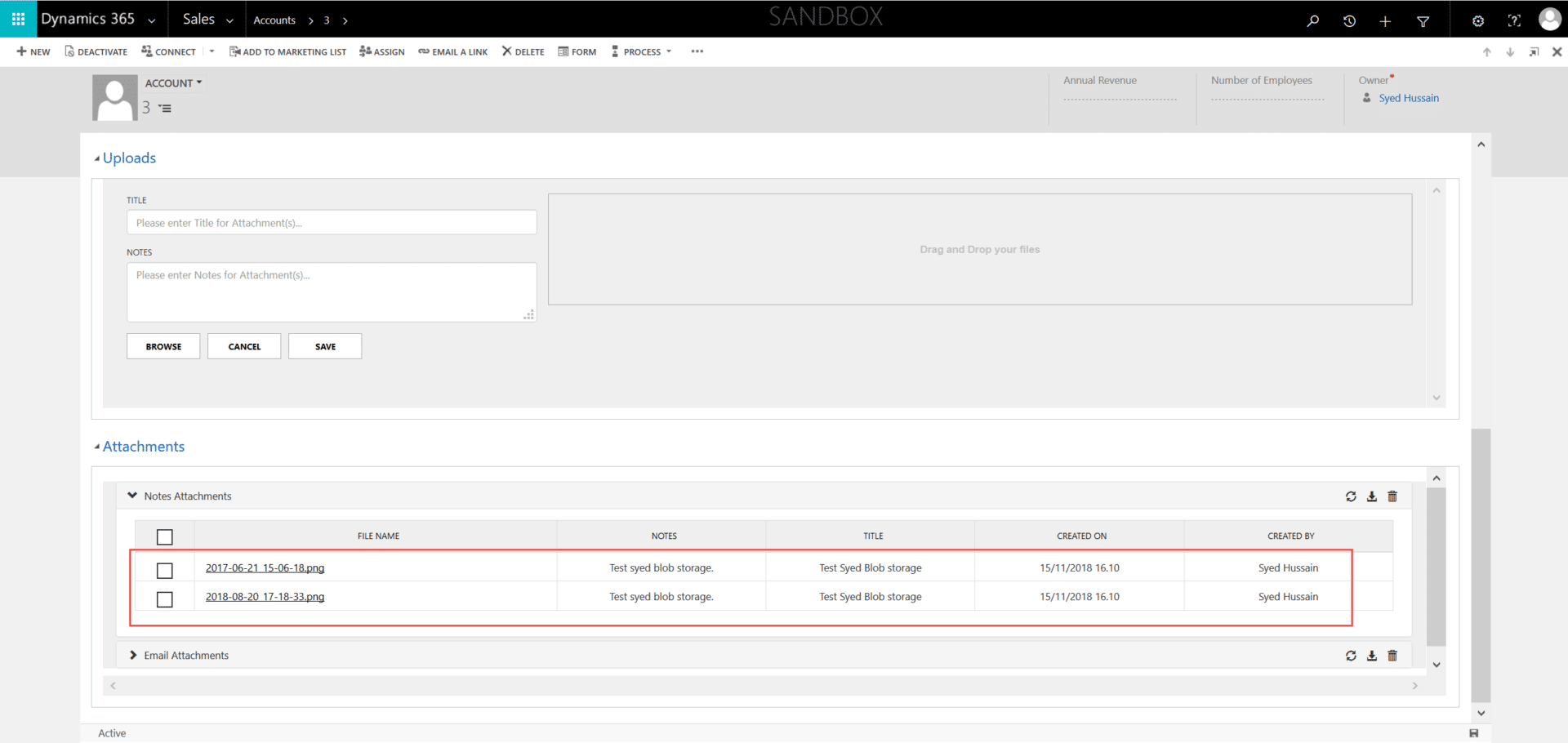
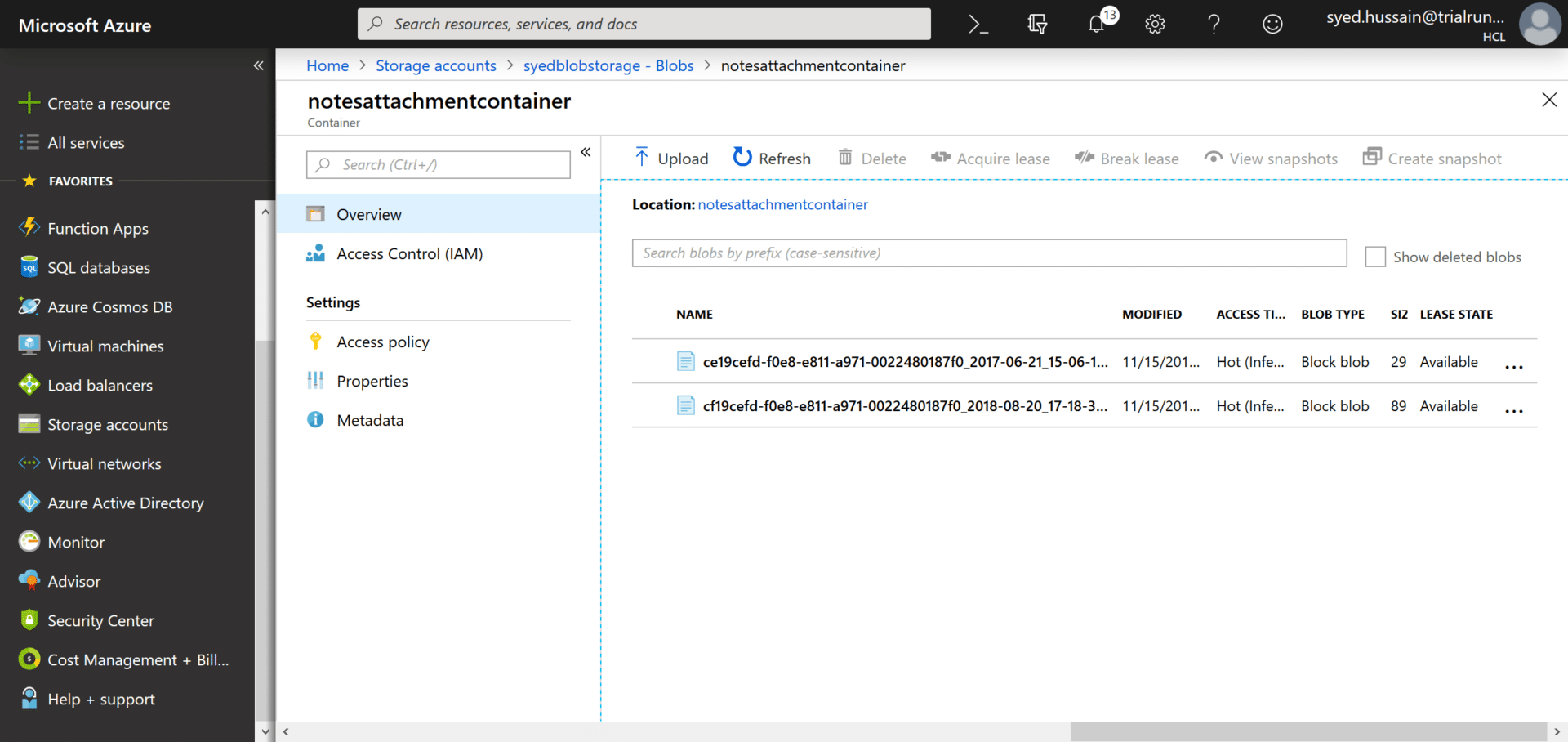
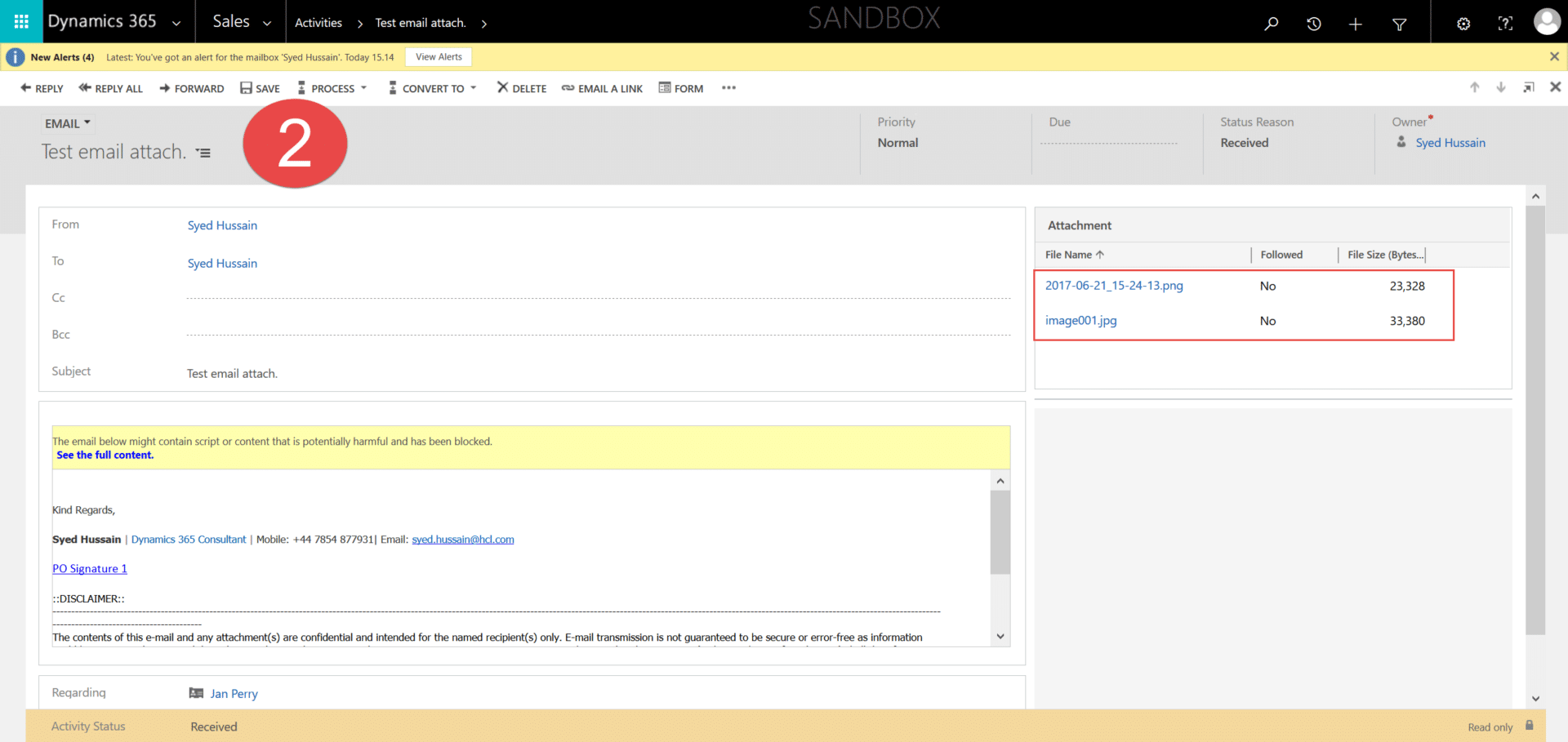
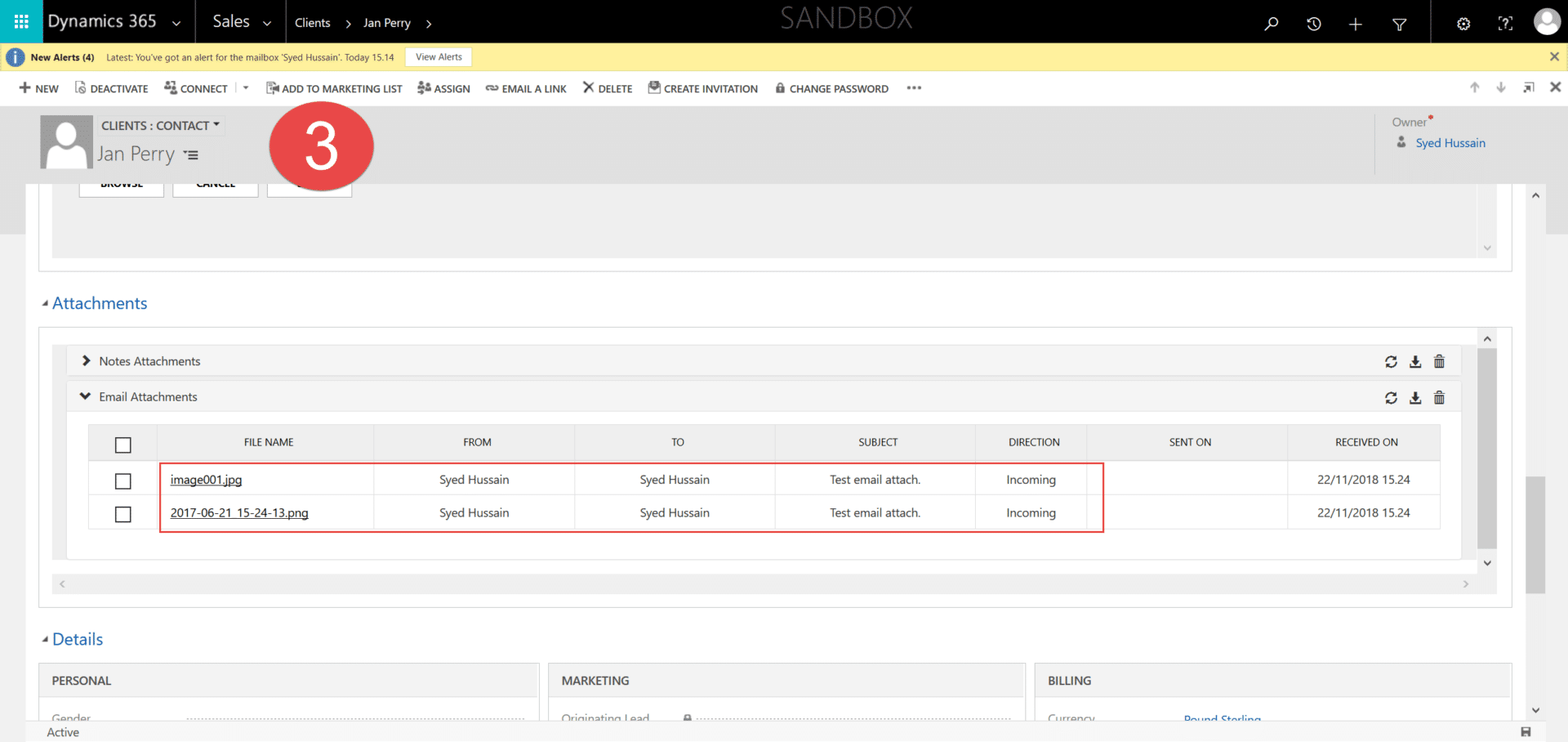
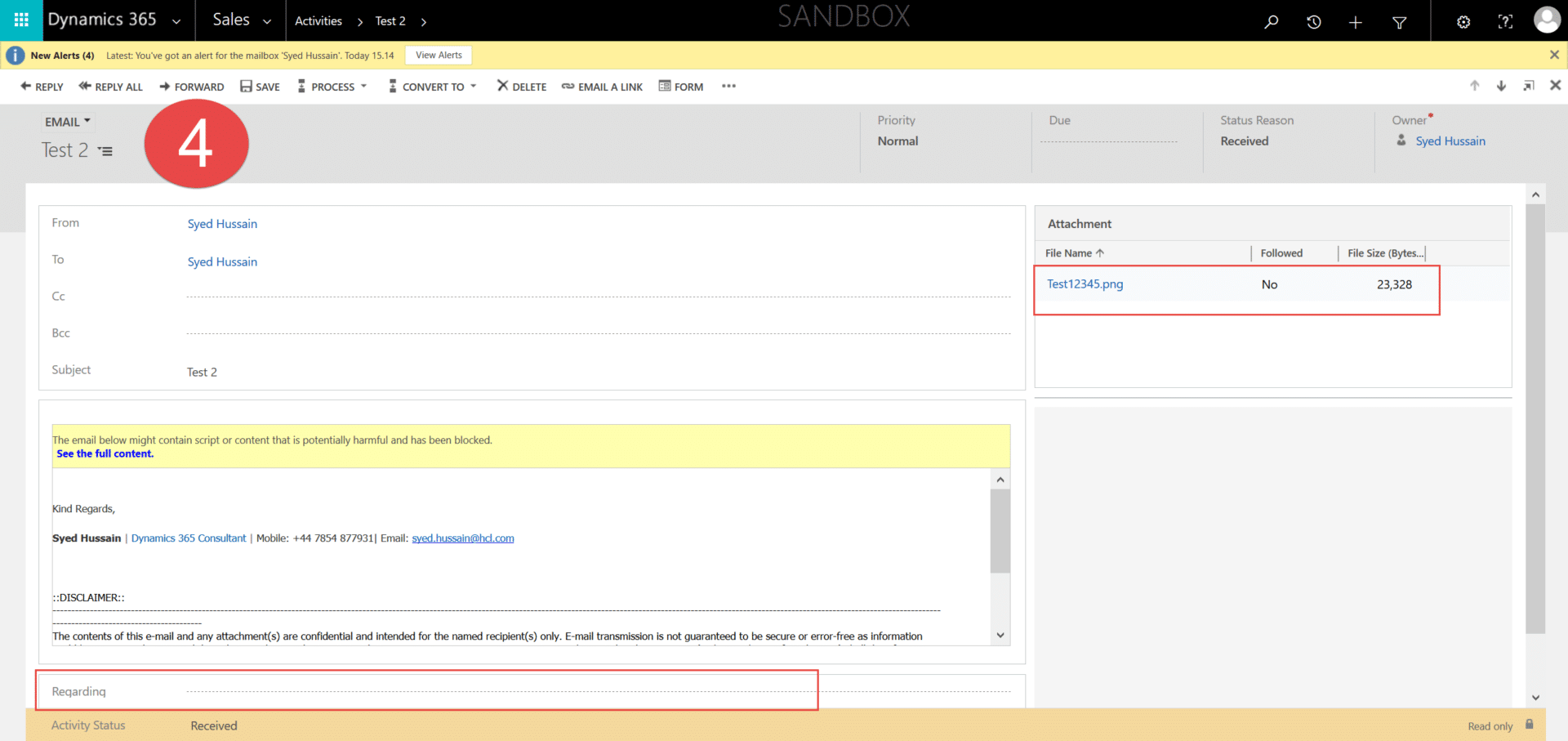
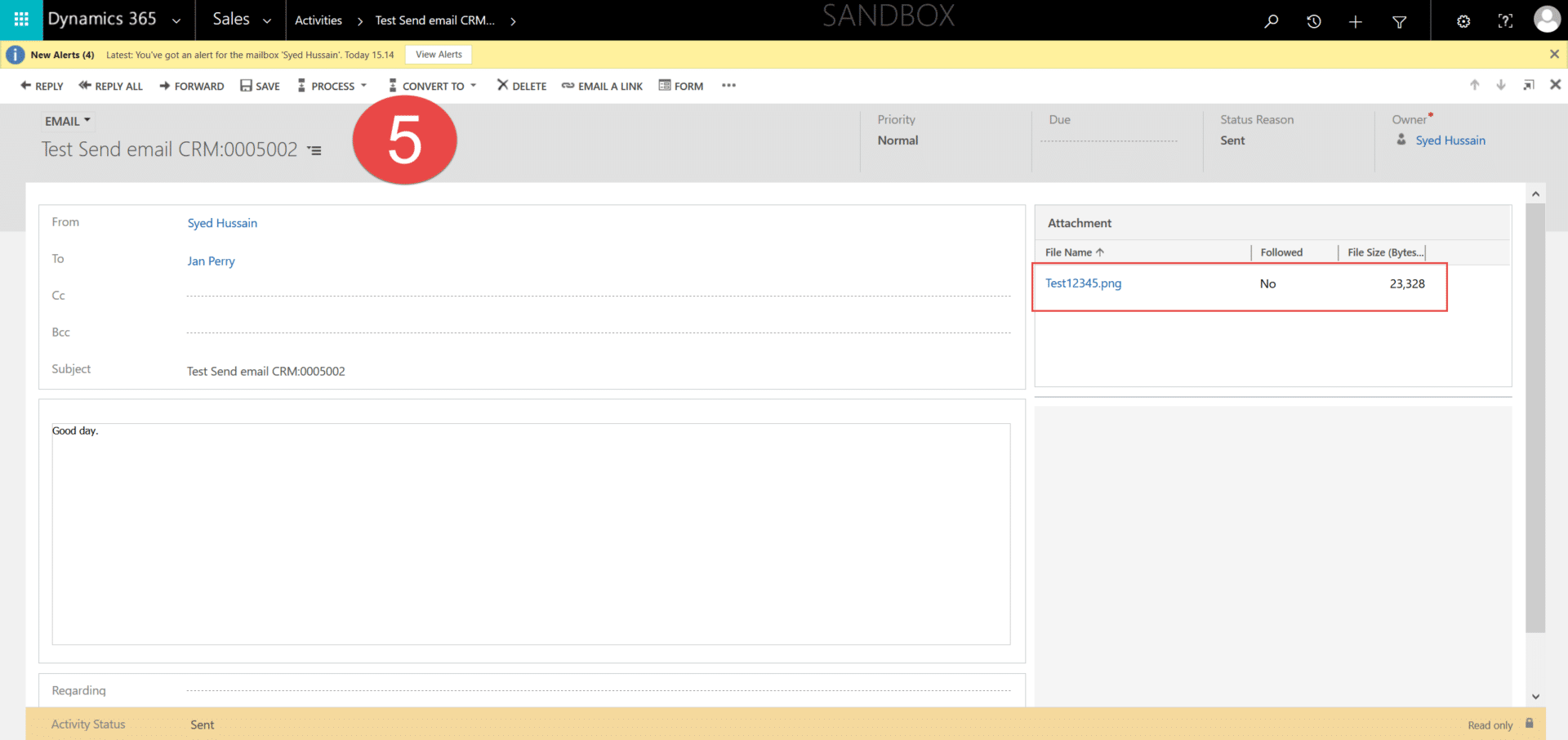
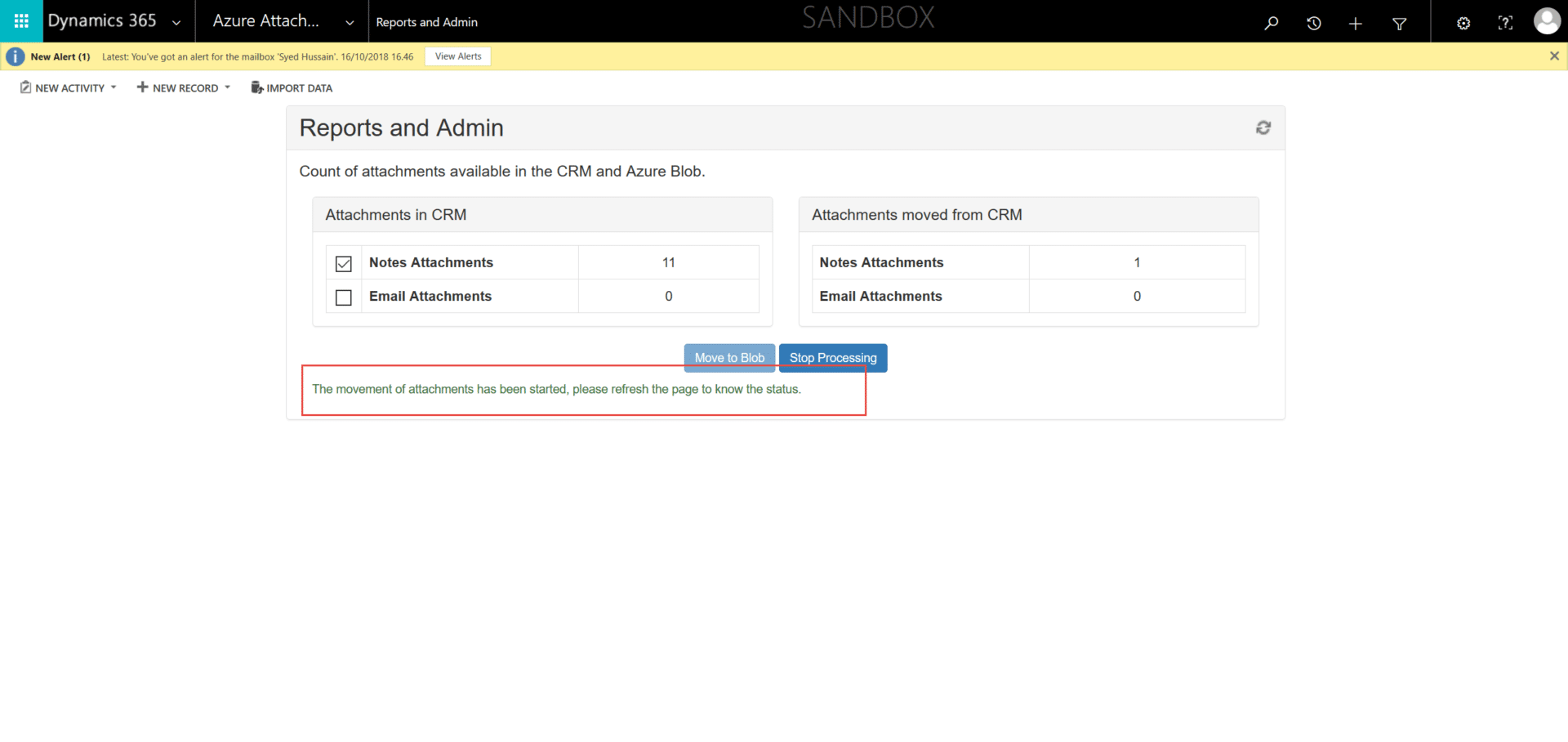
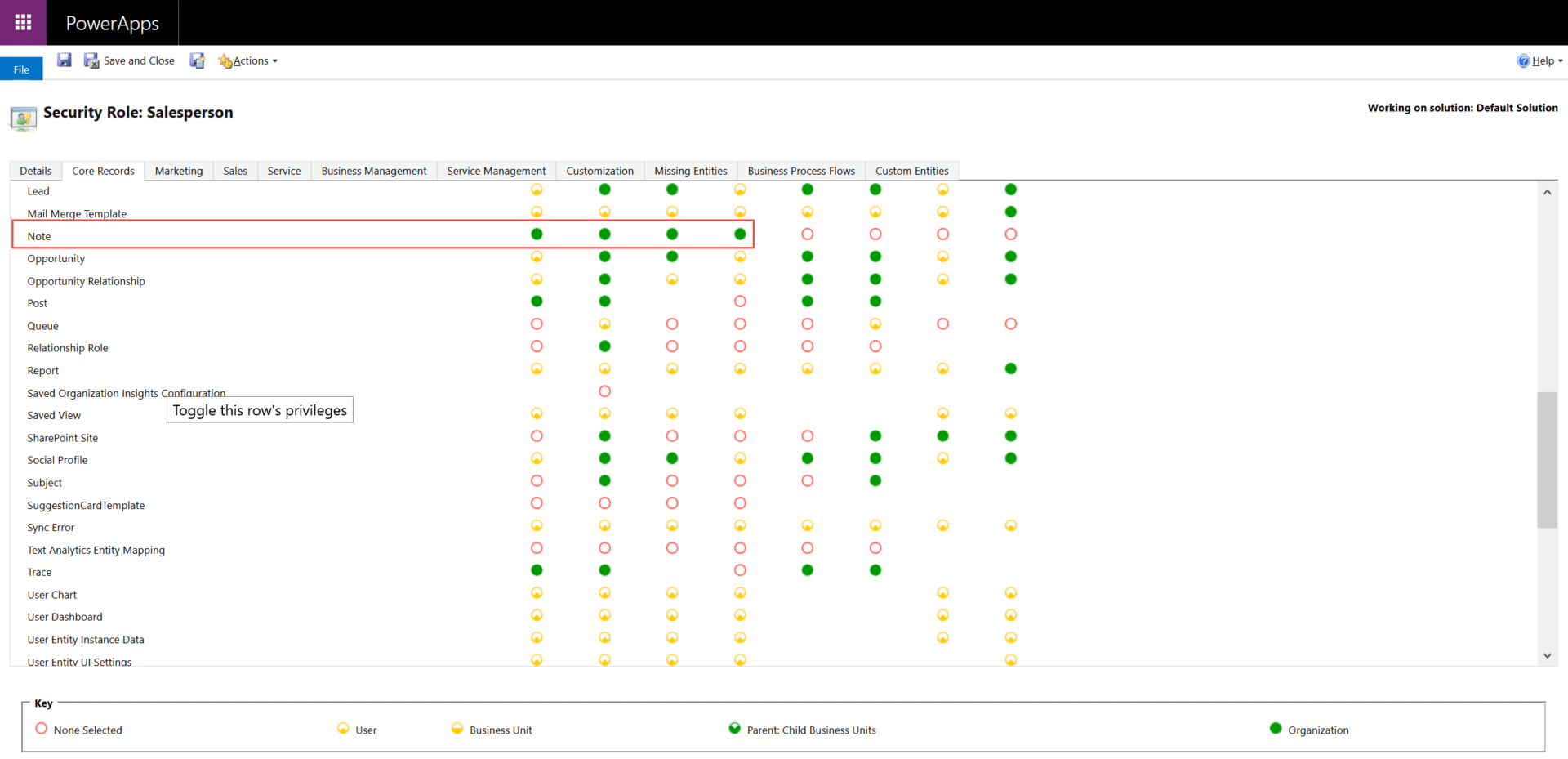
Today's post covers the process of enabling Azure Attachment Direction onto a Dynamics 365 for Customer Engagement environment. We'll start with how to purchase/download it from the Microsoft Appsource website and so move into how to enable it to store attachments onto Azure and how to make the Zipper Management accessible for end-users on the entity forms. Let'southward become started… i. DOWNLOAD SOLUTION Every bit a system ambassador, go to https://appsource.microsoft.com and search for "Zipper Direction" by Microsoft Labs and click the correct choice from the dropdown listing. This will redirect to the download page. Ensure it is a solution created by Microsoft Labs, as this is the one that is required. Below is what should be displayed on the screen. Annotation: Open the Microsoft Appsource website on the browser where the system admin is signed into Dynamics 365, as this will pick upwards all the CE instances within that organisation. (See screenshot below for more details.) Now, select "Get information technology at present" and a dialog permission box will pop upwards to ask the system admin to agree to provide basic data regarding the user'south business relationship and hold to Microsoft's Terms and Conditions. The page will then redirect to the installation page where the admin can select which example they would like to add it to. Navigate to the dropdown field named "Organization to add the application to:" and select the Dynamics 365 CE case this should go into. Notation: an admin can install this solution only into an instance to which they have arrangement admin privileges. In one case the correct case is selected, read and agree to the privacy and legal terms. Afterward agreeing, the admin volition be redirected to the Dynamics 365 Assistants Centre to provide a view of the installation progress. To check this, navigate to Applications in the menu bar. ii. AZURE CONFIGURATION To store documents onto Azure, the admin volition need to follow these steps to ensure all attachments and notes are existence directed to store in Azure rather than Dynamics 365. Kickoff, create a container within Azure Blob storage. This will be entered in the Dynamics 365 configuration then the system knows that whatsoever attachments volition be stored within that container, which sits in Azure. Note: this can only be done if the organisation already has a resources group created inside the portal. Under Storage accounts inside the Azure portal, click +Add and fill in the Storage account name in the new tab that opens. Go out every other pick as is. In one case created, open the storage account and curl down and open the Blobs service. Here, the admin volition be able to create the containers that will contain the attachments uploaded via Dynamics 365. Recommended best practice is to create two global containers (which volition exist utilised in the Azure Attachment Storage Configuration page) and and so create a container for each entity that will map attachments to Azure Blob Storage. The global containers that will be used for the configuration of the solution in Dynamics will too be the default container for whatever attachments that are not mapped to an entity. Note: Create two (global) containers named "emailsattachmentcontainer" and "notesattachmentcontainer." Ready the "Public Access Level" of whatsoever other containers for their respective entities to "Blob," every bit this will enable users to take a preview feature when hovering over the zipper link in Dynamics 365. Unless this is washed, the preview feature volition just display an error message. three. DYNAMICS 365 CONFIGURATION Subsequently a few minutes, the solution will now be installed in the Dynamics 365 environment. It tin be verified in two places: showtime, from the site map where the admin will be able to see the "Azure Attachment Storage" module and second, via the solutions page where the solution volition be displayed at the top of the list. Nether Azure Attachment Storage > Azure Hulk Storage Setup, the admin will exist able to configure how Dynamics will be communicating with Azure Blob Storage. This consists of Storage Account Name, Azure SAS Token, the notes and email attachments containers and an optional GUID field. Note: the GUID is inserted to restrict deletion of files from the Hulk storage. How to generate a SAS Token: Beginning, click on the storage business relationship that was created for this Dynamics 365 example so go to Shared access signature to add an Azure search which volition bring upwardly the SAS Token generation page. Annotation: under Starting time and expiry date/time, set the date and time you desire the SAS Token to expire. By default, it will expire after 24 hours. Select the SAS token after it is generated. In one case copied, paste into the SAS Token field in the Azure Blob setup within Dynamics 365 and complete the other fields. Once all fields are updated, click Confirm to relieve the changes. To confirm changes have been made, refresh the page and verify the message "Last modified past Admin Name" is at the bottom of the tab. Subsequently configuring Azure Blob Storage set upwardly within Dynamics 365, the admin will now have to enable the entities that will be using this improver to upload documents and attachments. Nether Azure Attachment Storage > Notes Attachment Entity Settings, tick all the boxes for every entity that requires the Azure Attachment functionality. Annotation: all entities will exist displayed here using their schema names and non their brandish names. Later checking all entities that will have the Azure Attachment Direction enabled, enter the container name in the CONTAINER NAME column. This will essentially map the entity to the container created in Azure and volition store any attachments. Notation: if a container for an entity is not mapped, the global container volition be the default destination of whatever attachments associated with that entity. Now we can look at how to enable the functionality so end-users are able to upload multiple files onto the form using the web resources provided by the solution. These spider web resources are: msdyn_filesandattachments.html and msdyn_multiple_uploads.html. Note: adding the spider web resources onto an entity grade is not compulsory and will not hinder the upload of documents to Blob when washed through the native notes creation via the social pane. First, open the grade for the entity that requires the attachment direction functionality. Then, add together a new tab to the form (1) and then select Spider web Resources (2) from the control bar of the form editor. Rename the Tab. In the Add Spider web Resource dialog box, in the Web resource field, add together the msdyn_multiple_uploads.html web resource. Tip: Search using the wild card key (*) before the showtime and last letter of the spider web resource. Give it a sensible name such as "DocumentUpload". Thereafter, configure the formatting by setting the number of rows to thirteen and unchecking the display border pick. Then click OK. Verify if the spider web resources is now on the grade. After creating the new tab for Multiple Uploads, repeat the same steps for the files and attachments tab. This tab volition be where the user is able to access and download any files that have been uploaded against the record. For this, utilize the msdyn_filesandattachments.html spider web resources. The result should be as below. And so salvage and publish and verify the tabs are now displayed on the entity form. 4. Unit TESTING As everything has now been published and is sitting in the environment, users can now go in and create notes and add together attachments that will now sit in Azure Blob Storage. This department volition cover where to verify if the functionality is working as expected. First, open up the entity where the Uploads and Attachments tabs are located. Elevate and driblet a file into the Uploads tab, create a note with information technology and add together a description, and so click Salve. The attachments will now be displayed under the Attachments tab. This volition now exist stored in the Azure Blob storage and the file name volition exist a chain of the GUID and the file proper noun. Note: if a user deletes a note in Dynamics 365, whatever related attachment with that note volition also be deleted in Azure Hulk storage. 5. EMAIL ATTACHMENTS Above nosotros have tested the attachments for notes within a Dynamics 365 record whereby the user will manually go and upload a document within the respective record. E-mail attachments are slightly dissimilar, as the attachments will come in via an email tape. Therefore, the admin volition enable attachment management for the Email entity in the NOTES ATTACHMENT SETTING ENTITY and then map the right container to that entity (see image 1). Another point to notation is that, if the email is tracked by Dynamics 365, so the attachment related to that e-mail volition besides exist displayed in the Azure Hulk Storage and in the electronic mail's Activity view (encounter prototype 4). If an email is tracked regarding a tape that the user owns, so this will display in the Attachments tab of that specific record (meet images two and 3). However, if the electronic mail is not "regarding" an actual record (which has zipper management enabled) then this will not be displayed under the Attachments tab in the e-mail attachments list. The same behaviour is also applicative when sending emails from Dynamics 365. When an email is sent with an attachment, then it is stored in the container mapped for email attachments (see epitome five). 6. ADMIN TASKS If the environs contains files that are being stored in the Dynamics 365 database, in that location are a couple of scenarios to consider: The admin can view how many files are currently sitting in the Dynamics 365 environment and how many files accept been moved to the Azure Hulk storage hither: Azure Attachment Storage > Reports and Admin. To movement the files over to Azure Blob storage, the admin will tick 1 or both checkboxes for Notes Attachments and Electronic mail Attachments and and then click Move to Blob. If a special circumstance should occur in which the migration of the files to Blob should stop, the admin must click End Processing. One time the migration of the files has started, a message will exist displayed at the bottom of the form to inform the admin of this. Refresh to see the update. Annotation: ensure that mappings betwixt the Notes and Email entities to the Hulk Storage containers are configured before the migration. Note: Dynamics 365 limits the movement of files to 140 attachments per fetch for maximum efficiency. 7. SECURITY There are three entities that need to be configured to enable privileges for users to access the Attachment Management solution within Dynamics 365: Annotation, Azure Blob Storage Settings and NotesAttachmentEntitySetting. First, the most basic security privileges that must exist given to a user are read privileges on the Azure Hulk Storage Settings and NotesAttachmentEntitySetting. This enables a user to see these two entities under the Azure Attachment Storage module on the sitemap, whereby they will be able to view the Azure Zipper Storage Configuration and the entities that accept the solution enabled therein. For a user to have permission to upload, view, edit, and delete an zipper, the Note entity will have to be given total CRWD privileges. Well, this was 1 of our longer blogposts, and if you made it this far, yous're at present basically an practiced on Azure Attachment Management! Let us know what you think. Happy attaching!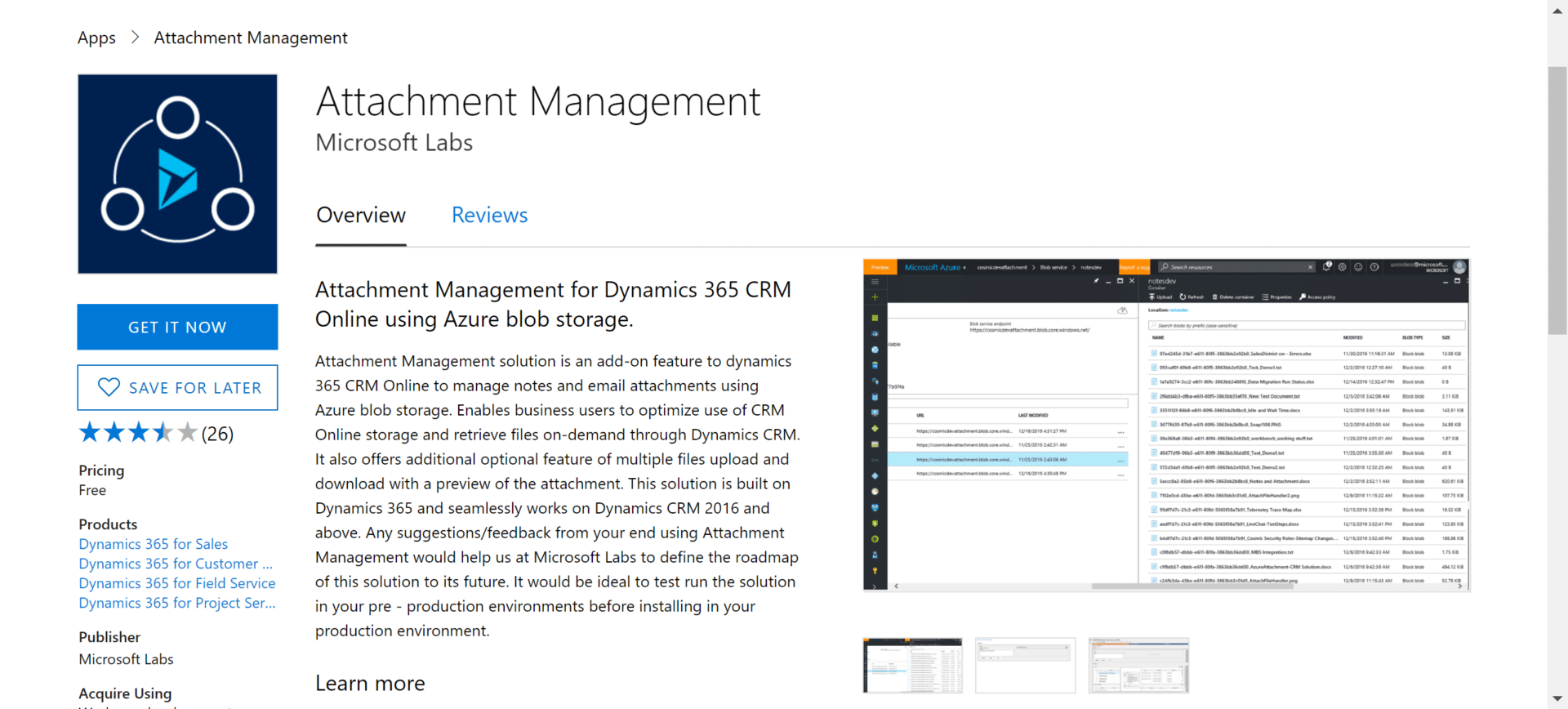






Source: https://powerobjects.com/tips-and-tricks/configuring-azure-attachment-management-and-azure-blob-storage/
0 Response to "Upload Documents to Azure Blob Storage Dynamics 365"
Enregistrer un commentaire